



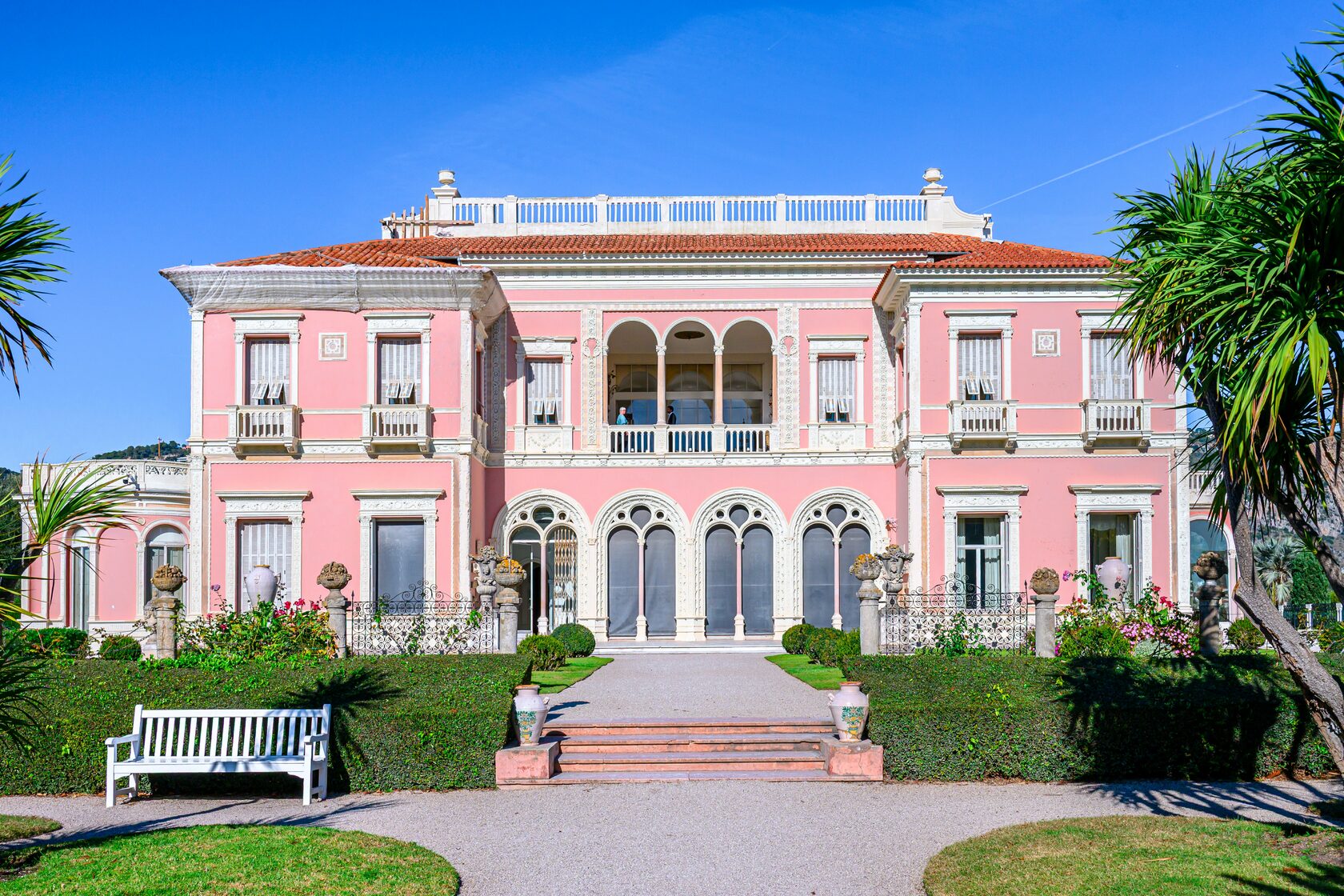
The architecture of the French Riviera tells the story of a coastline shaped by elegance, prestige, and innovation. From the lavish Belle Époque villas of Nice to the minimalist contemporary creations of Saint-Jean-Cap-Ferrat, each era has left a distinct mark on this iconic shoreline. Today, luxury architecture on the Riviera represents a careful balance between respect for historical heritage, contemporary boldness, and seamless integration into an exceptional Mediterranean landscape. This guide explores the architectural movements that define the region’s richness, the renowned architects shaping its future, and the trends redefining luxury real estate in 2026.
Historic Architectural Styles
Belle Époque Architecture (1871–1914): The Peak of Elegance
The Belle Époque marks the golden age of the aristocratic French Riviera—when the region became the preferred winter destination of European nobility and the international upper bourgeoisie.
Architectural features:
- Ornate façades with bow windows and wrought-iron balconies
- Low-pitched Mediterranean red barrel-tile roofs
- Carved pediments, detailed cornices, decorative brackets
- Tall sash windows or classic French windows
- Interior stucco work, molding, and plaster décor
- Herringbone parquet floors, marble fireplaces
- Formal French or English-style gardens
Iconic examples:
- Villa Ephrussi de Rothschild (Saint-Jean-Cap-Ferrat)
- Hôtel Negresco (Nice)
- Villa Kérylos (Beaulieu-sur-Mer)
- Numerous villas on Cimiez hill (Nice)
Heritage value and market:
- Prices: €15,000–€25,000/m² depending on location and condition
- Protection: often listed or classified as Historic Monuments
- Constraints: renovations subject to approval by the Architect of Buildings of France (ABF)
- Buyers: heritage enthusiasts, cultural investors
- Appreciation: +5% to +10%/year for restored properties
Pros:
- Unmatched historical prestige
- Generous volumes (3.5m to 4.5m ceiling height)
- Noble materials (marble, solid wood parquet, wrought iron)
- Mature gardens with century-old trees
- Often prime locations (first builds on the best sites)
Cons:
- Very high restoration costs (€2,000–€4,000/m²)
- Poor energy performance (often DPE E, F, or G)
- Continuous maintenance required
- Strict heritage constraints
- Complex adaptation to modern standards
Art Deco Architecture (1920–1939): Geometry and Modernity
Art Deco transformed architecture through cleaner lines, strong geometry, and a rejection of Belle Époque excess.
Architectural features:
- Pure geometric lines, pristine white façades
- Circular or hexagonal bow windows
- Stylized ironwork, geometric floral motifs
- Flat roofs/roof terraces with concrete or iron railings
- Monumental staircases, curved handrails
- Mosaics and geometric stained glass
- Emphasis on natural light (large openings)
Iconic examples:
- Palais de la Méditerranée (Nice) — listed façade
- Villas in the Musicians district (Nice)
- Numerous residences in Cannes and Juan-les-Pins
- Villa Noailles (Hyères) — pioneering modernism
Heritage value and market:
- Prices: €12,000–€20,000/m² depending on condition and location
- Fewer constraints than Belle Époque
- Buyers: design lovers, creative professionals
- Appreciation: stable, +3% to +5%/year
Pros:
- Timeless, elegant aesthetic
- Attractive volumes (though lower than Belle Époque)
- Often well-oriented (light was central to design)
- Quality materials (stone, concrete, terrazzo)
- Easier to adapt to modern standards
Cons:
- Thermal and acoustic insulation often needs upgrading
- Electrical and plumbing systems frequently require replacement
- Some buildings are fragile (terrace waterproofing issues)
- Renovation budget: €1,500–€3,000/m²
Mediterranean Regionalist Architecture (1920–1960)
This style reconnects with Provençal and Mediterranean traditions, adapted to modern comfort.
Architectural features:
- Lime-plastered façades (ochre, pink, pale yellow)
- Low-slope barrel-tile roofs
- Painted wooden shutters (blue, green, grey)
- Arcades, pergolas, shaded terraces
- Local materials (La Turbie stone, Cassis stone)
- Mediterranean gardens (cypress, olive trees, lavender)
- U- or L-shaped layouts creating inner patios
Iconic examples:
- Many villas in Mougins, Valbonne, and the hinterland
- Cap d’Antibes properties in “revisited Provençal mas” style
- Some villas in Saint-Paul-de-Vence
Heritage value and market:
- Prices: €8,000–€15,000/m² (highly location-dependent)
- Very popular in the hinterland
- Buyers: families, retirees, authenticity seekers
- Appreciation: +2% to +4%/year
Pros:
- Authentic, timeless charm
- Strong landscape integration
- Relatively simple maintenance
- Moderate renovation budgets: €1,000–€2,000/m²
- Often large, planted gardens
Cons:
- Average energy performance
- Modernization often needed (kitchens, bathrooms)
- Sometimes smaller, compartmentalized layouts
Modern and Contemporary Architecture
1960–1980 Modernism: Experimentation
An era of architectural experimentation with concrete, glass, and sculptural forms.
Features:
- Raw concrete or white render
- Large glazing, flat roofs
- Bold geometries
- Pools integrated into the overall design
- Early open-plan layouts
Reference architects (era):
- André Minangoy (modernist villas in Roquebrune)
- Jean Prouvé (prefabricated elements)
- Le Corbusier influence (Villa E-1027 in Roquebrune)
Current market:
- Highly variable: €6,000–€18,000/m²
- Discounted if not renovated (-30% to -50%)
- High upside with a strong contemporary renovation
- Buyers: architects, designers, renovation investors
Acquisition strategy:
- Buy discounted, renovate while preserving the modernist spirit
- Renovation/upgrade budget: €2,000–€3,500/m²
- Upside potential: +50% to +100% after a successful renovation
Contemporary Minimalist Architecture (2000–2026)
The dominant luxury trend today: extreme simplicity, pure lines, noble materials, and seamless indoor/outdoor living.
Architectural features:
- Cubic volumes, strong horizontal lines
- White façades or high-end exposed concrete
- Monumental glazing (often full height)
- Green roofs or accessible roof terraces
- Roof overhangs creating shade
- Infinity pools integrated into the architecture
- Mineral palette (stone, concrete, wood), no ornamentation
Signature materials:
- Architectural concrete (light grey, white, sanded finishes)
- Natural stone (travertine, Burgundy stone, marble)
- Wood (teak, iroko, thermo-treated timber)
- Extra-clear large-format glass
- Powder-coated aluminum (black, anthracite, white)
Interior design approach:
- Cathedral-like open spaces with mezzanines
- Designer open kitchens (Boffi, Bulthaup, Poggenpohl)
- Polished concrete, natural stone, or resin flooring
- Floating staircases, glass balustrades
- Smart home systems designed in from day one
- Integrated LED lighting (spots, strips, backlighting)
Market value:
- Prices: €15,000–€35,000/m² depending on location
- Monaco, Cap Ferrat, Cannes Californie: €20,000–€35,000/m²
- Cannes center, Nice hills: €12,000–€18,000/m²
- Energy performance: typically DPE A or B
- Buyers: entrepreneurs, finance, international clients, younger UHNW
Pros:
- Modern yet timeless aesthetic
- Top-tier energy performance
- Cutting-edge smart home technology
- Simplified maintenance (durable materials)
- Strong rental premium (+30% vs traditional)
- Maximum appeal to international buyers
Cons:
- Very high construction cost: €3,500–€6,000/m²
- Risk of “generic luxury” if poorly designed
- Sound insulation can be imperfect (large glazing)
- Tech dependence (home automation)
Bioclimatic and Sustainable Architecture
A fast-growing luxury trend: environmental performance without aesthetic compromise.
Architectural features:
- Optimal orientation (south/southwest)
- Properly sized solar overhangs (shade in summer, sun in winter)
- Cross-ventilation and natural airflow
- Reinforced insulation (20–30cm thickness)
- Triple glazing, high-performance frames
- Green roofs and living walls
- Rainwater harvesting, integrated solar panels
Labels and certifications:
- HQE (France)
- BREEAM (UK)
- LEED (US)
- Passivhaus (Germany)
- BEPOS (positive-energy buildings)
Market and value impact:
- Construction premium: +10% to +20%
- Resale premium: +15% to +25% vs comparable traditional homes
- Energy savings: -60% to -80% vs standard builds
- Strong demand from Northern European and German buyers
- Key argument for the next generation of UHNW
Integrated technologies:
- Geothermal or air-source heat pumps
- Dual-flow ventilation with heat recovery
- Photovoltaics (typically 6–9 kWp minimum)
- Intelligent energy management systems
- Bio-based materials (wood, hemp, cork)
Renowned Architects on the French Riviera
International Architects with a Presence
Jean Nouvel:
- Philosophy: “contextual architecture” that respects its environment
- Riviera project: Tour Odéon, Monaco (one of the world’s most expensive residential towers)
- Style: sculptural modernity, transparency, and light
Richard Meier:
- Philosophy: modernist purity, immaculate white
- Signature style: white geometric volumes and modular grids
- Strong influence on local contemporary architecture
Tadao Ando (influence):
- No built project locally, but major influence
- Raw concrete, pure geometry, light-and-shadow mastery
- Inspiration for many local architects
High-End Local Architects and Studios
Cogemad (Architecture & Decoration):
- Specialist in luxury villas (Cap Ferrat, Cap d’Antibes)
- Style: refined contemporary, landscape integration
- Project budgets: €10M–€50M+
- Reference for discreet UHNW clients
Piet Boon (Dutch, very active on the Riviera):
- Approach: integrated architecture + interior design
- Style: warm minimalism, natural materials
- Works: high-end villas and historic renovations
Studio KO (Karl Fournier & Olivier Marty):
- Style: organic modernism, environmental respect
- Materials: stone, earth, raw wood
- Approach: total integration into the Mediterranean landscape
Jouin Manku Agency:
- Specialty: luxury hotels and exceptional residences
- Riviera projects: palace renovations, penthouses
- Style: luxurious eclecticism, fine craftsmanship
Recognized Local Architecture Workshops
Atelier d’Architecture King Kong:
- Based in Nice, projects across the Riviera
- Specialty: contemporary renovations of historic buildings
- Approach: heritage respect + modernity
AABC (Architecture Antoine Battesti Consultant):
- High-end contemporary villas
- Approach: fully bespoke design, rigorous site management
- Typical budgets: €5M–€15M
How to choose your architect:
- Portfolio aligned with your vision
- Verifiable references (site visits possible)
- Clear understanding of your true budget
- Mastery of local constraints (ABF, zoning, regulations)
- Smooth communication and availability
Architectural Trends 2026
1) The Return of Natural Stone
After decades dominated by concrete, natural stone is back at the center of luxury architecture.
Preferred stones:
- Burgundy stone (warm beige/grey tones)
- Italian travertine (timeless, elegant)
- La Turbie stone (local, warm tones)
- White Carrara marble (floors, bathrooms)
- Black basalt (contemporary contrast)
Uses:
- Full façades in solid stone
- Seamless indoor/outdoor flooring continuity
- Interior feature walls (texture, relief)
- Pool coping, decks, low walls
Cost and value impact:
- Premium: +15% to +30% vs rendered concrete
- Perceived value: +10% to +20% with clients
- Durability: extremely long-lasting (50+ years, minimal maintenance)
2) Nature Integration and Greening
Biophilic design becomes central in architectural planning.
Concrete applications:
- Green roofs:
- Natural thermal insulation (-30% cooling needs)
- Rainwater management
- Urban biodiversity
- “Invisible villa from above” aesthetic
- Living walls (inside/outside):
- Natural humidity regulation
- Improved air quality
- Strong visual impact
- Cost: €600–€1,200/m² installed
- Trees integrated through the structure:
- Interior patios with mature trees
- Terraces preserving existing trees
- Symbolic fusion of architecture and nature
- Gardens on every level:
- Planted terraces on each floor
- Hanging gardens, indoor gardens
- Luxury “urban vegetable gardens” trend
High-end greening budgets:
- Minimum: €50,000–€100,000
- Exceptional projects: €200,000–€500,000
- Annual maintenance: €10,000–€30,000 (specialist gardener)
3) Transparency and Monumental Openings
Glass openings are reaching record sizes.
Technologies:
- Pocket sliding doors:
- Spans up to 6–8m without a central mullion
- Frames concealed in walls/ceilings
- Extra-clear tempered glass 10–12mm
- Cost: €2,000–€4,000/m²
- Structural glazing:
- Invisible fixings (structural silicone)
- “No frame” effect
- Floor-to-ceiling glass (3–4m heights)
- Cost: €1,500–€3,000/m²
- Glass corners without posts:
- UV bonding technology
- Perfect visual continuity
- Cost: €3,000–€5,000 per corner
Constraints to control:
- Thermal performance (argon-filled triple glazing)
- Solar protection (films, treated glass, brise-soleil)
- Security (laminated anti-burglary glazing)
- Privacy (electrochromic films, vegetation)
4) Fully Integrated Smart Home Systems
Home automation is no longer optional—it's a 2026 luxury standard.
Essential systems:
- Intelligent climate management:
- Room-by-room control
- Weather anticipation
- Presence detection
- Savings: -40% to -60% energy
- Circadian lighting:
- Color temperature adapts throughout the day
- Personalized scenarios
- RGB + tunable white LED management
- Budget: €50–€150 per light point
- Integrated security:
- 4K cameras with AI (face detection)
- Invisible perimeter protection
- Biometric access control
- Budget: €30,000–€80,000
- Audiovisual management:
- Multiroom audio (Sonos / Bang & Olufsen)
- Integrated home cinema (retractable screen)
- Invisible outdoor sound
- Budget: €40,000–€120,000
Standard protocols:
- KNX (European, scalable)
- Control4 (US, intuitive interface)
- Crestron (high-end, fully bespoke)
Total smart-home budget for a luxury villa:
- Standard: 3%–5% of construction cost
- High-end: 5%–8%
- Ultra-luxury: 8%–12%
- Example (villa €5M): €150k–€600k
5) Private Wellness and Spa Spaces
Post-COVID, private wellness areas are booming in luxury villas.
Trending features:
- Fully equipped gym:
- 30–60m² minimum
- Mirrors, shock-absorbing floors
- Technogym / Life Fitness equipment
- Budget: €40,000–€100,000
- Private spa:
- Finnish sauna (10–15m²): €15,000–€40,000
- Tiled hammam (10–15m²): €20,000–€50,000
- Sensory shower: €5,000–€15,000
- Indoor/outdoor jacuzzi: €10,000–€40,000
- Massage/treatment room:
- 20–30m² with shower
- Zen atmosphere (wood, stone, soft lighting)
- Professional massage table
- Budget: €30,000–€60,000
- Design climate-controlled wine cellar:
- 15–50m² depending on collection
- Refrigerated display (Eurocave, Liebherr)
- Soft LED lighting
- Capacity: 500 to 3,000 bottles
- Budget: €40,000–€150,000
Value impact: A complete wellness area adds +5% to +10% to the value of a luxury property and significantly accelerates the sale.
6) Innovative and Durable Materials
Material innovation is reshaping contemporary architecture.
Ultra-high-performance concrete (UHPC):
- 5x stronger than standard concrete
- Enables dramatic cantilevers
- Self-cleaning surfaces (photocatalysis)
- High-end smooth or textured finishes
Cross-laminated timber (CLT):
- Timber structures up to 4–5 storeys
- Negative carbon footprint
- Faster construction (+30% vs concrete)
- Similar cost to concrete for complex structures
Photovoltaic glass:
- Glazing that produces electricity
- Transparency: 40% to 70% depending on tech
- Output: 100–200 Wp/m²
- Cost: €800–€1,500/m² (vs ~€500 for standard glass)
High-quality reconstituted stone:
- Same look as natural stone
- Cost -30% to -50%
- Unlimited finishes
- Lighter, easier installation
Value by Architectural Style
Comparative Value Table
Heritage Impact
Historic Monument Protection
Constraints:
- ABF approval required, works strictly monitored
Tax benefits:
- Potential tax reductions of 30% to 50% on works
Symbolic premium:
- +10% to +20% for heritage buyers
Discount for some buyers (constraints):
- -15% to -25%
Net outcome: neutral to slightly positive, depending on buyer profile.
No Protection Status
- Full architectural freedom
- Potential extensions, additional floors, restructurings
- Maximized surface area / profitability
- Better adaptation to market trends
Expert Advice for Your Architectural Project
Design Phase
- Define your vision clearly:
- Desired style (inspiration portfolio)
- Real usage (primary residence, second home, rental)
- Priorities: view, privacy, prestige, energy performance
- Realistic overall budget (land + construction + landscaping)
- Choose the right plot:
- Orientation (south/southwest ideal)
- View (sea, landscape, open outlook)
- Configuration (flat, slope, technical constraints)
- Regulations (zoning, ABF constraints, easements)
- Select your architect:
- Portfolio aligned with expectations
- Local experience (regulations, craftsmen network)
- Budget understanding
- Fee transparency (8% to 12% of construction cost)
Build Phase
- Choose the right contractor/general builder:
- Verifiable references (site visits)
- Up-to-date insurance (10-year warranty mandatory)
- Transparent cost breakdown
- Guaranteed deadlines and finishes
- Track the build rigorously:
- Weekly site meetings
- Validate each phase before moving forward
- Systematic photos before networks are covered
- Independent project manager recommended (5% to 8% of construction cost)
- Plan contingencies and upgrades:
- Add 10% to 15% for risks and unknowns
- Upgrades are frequent during construction
- Separate essentials from “nice-to-have”
Realistic Construction Budgets (2026)
Standard luxury contemporary villa (excluding land)
- Structure and shell: €1,200–€1,600/m²
- Second fix: €800–€1,200/m²
- Luxury finishes: €600–€1,000/m²
- Equipment (smart home, kitchen, bathrooms): €400–€800/m²
- Outdoor works: €300–€600/m²
- Total: €3,300–€5,200/m²
Ultra-luxury villa by a top architect (excluding land)
- Bespoke construction: €4,500–€6,500/m²
- High-end equipment: €1,000–€1,500/m²
- Total: €5,500–€8,000/m²
Examples:
- 400m² standard contemporary villa: €1.32M–€2.08M
- 400m² ultra-luxury villa: €2.2M–€3.2M
- 2,000m² plot in Cap Ferrat: €8M–€15M
- Total project: €10M–€18M+
Realistic Timelines
Administrative procedures:
- Building permit review: 2 to 4 months
- Potential third-party appeals: +2 to 6 months
- Total admin timeline: 4 to 10 months
New-build 400m² villa timeline:
- Earthworks and utilities: 2 months
- Structural works: 6–8 months
- Second fix: 6–8 months
- Finishes: 3–4 months
- Total build: 17–22 months
Typical full luxury project timeline: 24–36 months (from idea to delivery).
Conclusion
Luxury architecture on the French Riviera in 2026 embodies a subtle balance between historical heritage and contemporary innovation. From the timeless prestige of Belle Époque villas to ultra-high-performance minimalist creations, each architectural style reflects a specific vision of luxury and a distinct buyer profile.
Today’s trends prioritize seamless integration into the Mediterranean environment, exemplary energy performance, and private wellness spaces. Smart home systems, sustainable materials, and generous greening are no longer options—they are standards expected by an increasingly demanding international clientele.