
Manage cookies
We use cookies to provide the best site experience.
Manage cookies
Cookie Settings
Cookies necessary for the correct operation of the site are always enabled.
Other cookies are configurable.
Essential cookies
Always On. These cookies are essential so that you can use the website and use its functions. They cannot be turned off. They're set in response to requests made by you, such as setting your privacy preferences, logging in or filling in forms.
Analytics cookies
Disabled
These cookies collect information to help us understand how our Websites are being used or how effective our marketing campaigns are, or to help us customise our Websites for you. See a list of the analytics cookies we use here.
Advertising cookies
Disabled
These cookies provide advertising companies with information about your online activity to help them deliver more relevant online advertising to you or to limit how many times you see an ad. This information may be shared with other advertising companies. See a list of the advertising cookies we use here.
 
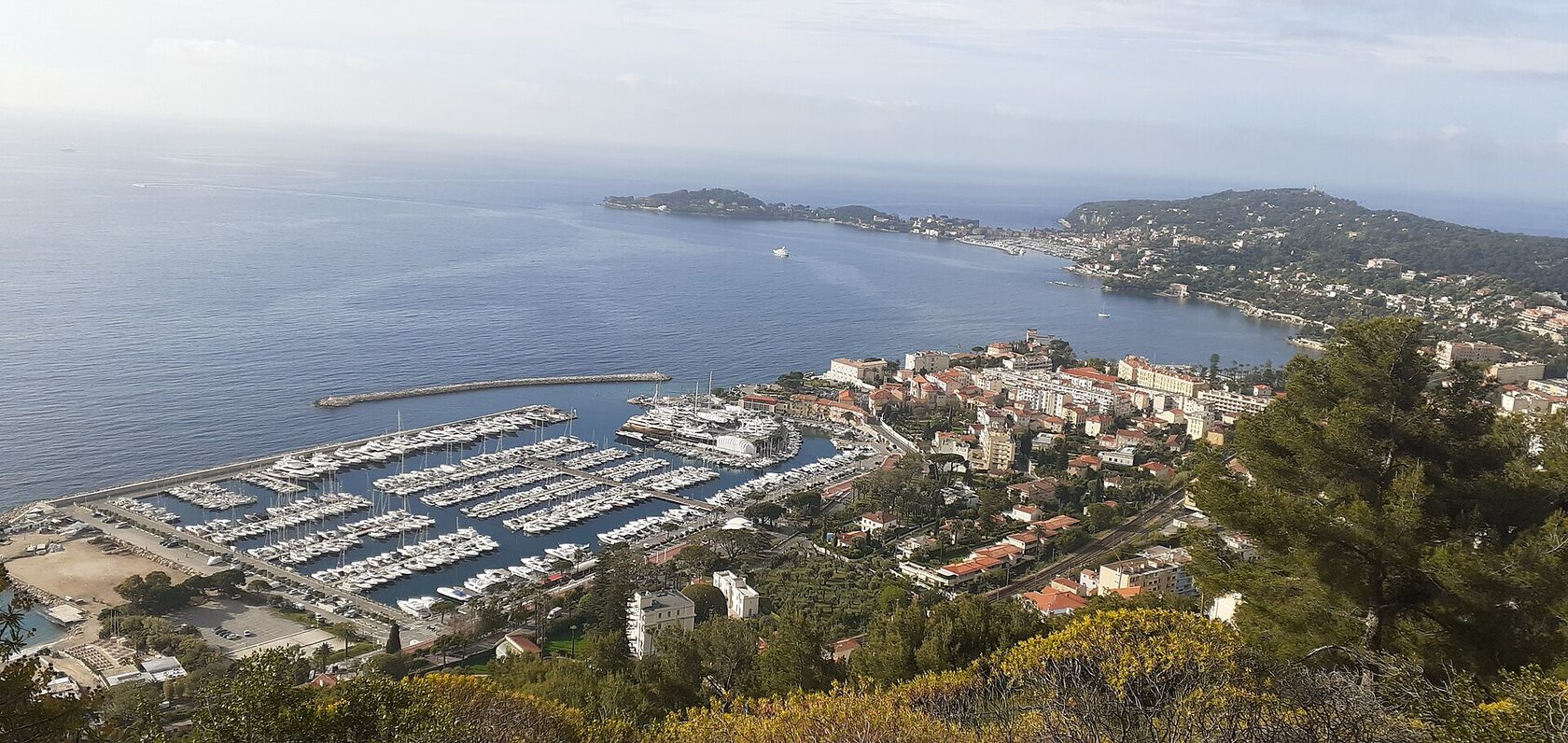
Panoramic view over Beaulieu-sur-Mer, its harbour, coastline and hills

Local area and property guide

Living in Beaulieu-sur-Mer:
which area should you choose?

Beaulieu-sur-Mer combines an everyday lifestyle that is largely walkable with nearby residential areas of houses and villas facing the sea.

Guide prepared with Florian Mathé, DAMA
Expert analysis · October 2026

Photo by Horizon06 · CC BY-SA 4.0 · source

Is Beaulieu-sur-Mer right for you?

Beaulieu-sur-Mer suits very different plans: the centre is compact, largely flat and lively year-round, while the hills offer more houses, peace and views.

For a family or a main home, proximity to schools, the secondary school, shops, the railway station, activities and the sea makes daily life easier. For a pied-à-terre, being able to walk to the market, restaurants and beaches makes the town particularly easy to enjoy.

The essential point: there is no single “best area” in Beaulieu-sur-Mer. The right choice depends on how important walkability and a sea view are to you, and on your tolerance for slopes, trains or road traffic.

Beaulieu in 60 seconds

Atmosphere

Peaceful, family-friendly and active year-round, with a genuine village feel in the centre.

Properties

Apartments in the centre and along the coast; houses and villas in the hills and around Chemin des Serres.

Without a car

Highly practical in the centre, around Baie des Fourmis and Pont Saint-Jean; poorly suited to the hills.

Sea view

Possible but not automatic in the centre; common on the front line and in the hills, depending on orientation.

Check

Distance from the railway or road, slope, garage, orientation, actual view and how easy the walk really is.

Understand Beaulieu before choosing

Beaulieu-sur-Mer is compact, but not every address offers the same way of life. The central area is largely flat and extends towards the beaches, harbours and Pont Saint-Jean. As soon as you head up towards Suffia, Chemin des Serres or the hills, distances may still look short on a map, but the slope changes how you use them.

The railway crosses the town near the coast, while the Basse Corniche runs alongside several areas. Their impact is never uniform: distance, floor level, orientation, glazing and neighbouring buildings must be assessed at the exact address.

One compact town, two rhythms

In the centre and along the coast, life on foot is often realistic. On the hillside, views and villas become more prominent, while a car is generally necessary.

Flat centre
Shops, railway station, market, beaches and activities are all easy to reach on foot.
Waterfront
Immediate access to the sea, harbours and promenades, with the railway or road to assess depending on the address.
Hills
More houses and villas, frequent views and a daily life more reliant on the car.
Schematic overview of the areas of Beaulieu-sur-Mer To the north are Suffia and the hills. The town centre lies in the middle. To the west, Chemin des Serres sits above Pont Saint-Jean. Along the coast, Baie des Fourmis is west of the harbour and Petite Afrique. The railway is shown above the Basse Corniche, which itself lies between the tracks and the sea. Indicative diagram, neither cadastral nor drawn to scale. Basse Corniche Railway Mediterranean Sea
  1. Town centre
  2. Baie des Fourmis
  3. Harbour · Petite Afrique
  4. Suffia · hills
  5. Chemin des Serres above · Pont Saint-Jean below

DAMA’s practical property-market reading: this diagram shows the broad relationships between the areas. It does not represent administrative boundaries, a cadastral plan or distances to scale.

Life on footThe centre, Baie des Fourmis and Pont Saint-Jean make shopping, outings and travel easier.
Life by the waterBeaches and harbours are close, but the railway, road and seasonal activity vary greatly by address.
Life in the hillsSuffia and Chemin des Serres favour houses, peace and views, with greater reliance on a car.

Five areas, five ways of life

These areas reflect DAMA’s practical property-market reading, not official administrative boundaries.

AreaPredominant propertiesDefining advantageCheck
PropertiesApartments, with a few houses towards the lower hills
AdvantageYear-round life, market, shops, transport and sea on foot
CheckActual view, garage and immediate proximity to the railway
PropertiesApartments and a few houses
AdvantageFront-line location, beach, sea views and all the conveniences of the centre
CheckRailway behind the buildings, glazing and orientation
PropertiesRare villas near the beach, apartments and villas behind the harbour
AdvantageLarge beach, marina and restaurants
CheckRailway, Basse Corniche and seasonal activity at the property
PropertiesOlder, modern and contemporary houses and villas
AdvantagePeace, private parking and frequent sea views
CheckSlope, access, car reliance and how open the view really is
PropertiesApartments on the lower section, villas on the hillside
AdvantageA transition between everyday walkability and a villa setting
CheckRailway on the lower section; car, access and slope on the hillside

In Beaulieu-sur-Mer, the choice therefore comes down to more than proximity to the sea. Compare the real way of life, everyday walking, the slope, reliance on a car and possible disturbance at the precise address.

From the town centre to the beaches

Central and waterfront Beaulieu-sur-Mer

Beaulieu-sur-Mer’s central and waterfront areas are easy to move between on foot, but they do not offer the same experience: everyday life around Marinoni, a seaside address at Les Fourmis, or a more exclusive relationship with the sea towards Petite Afrique and the main harbour.

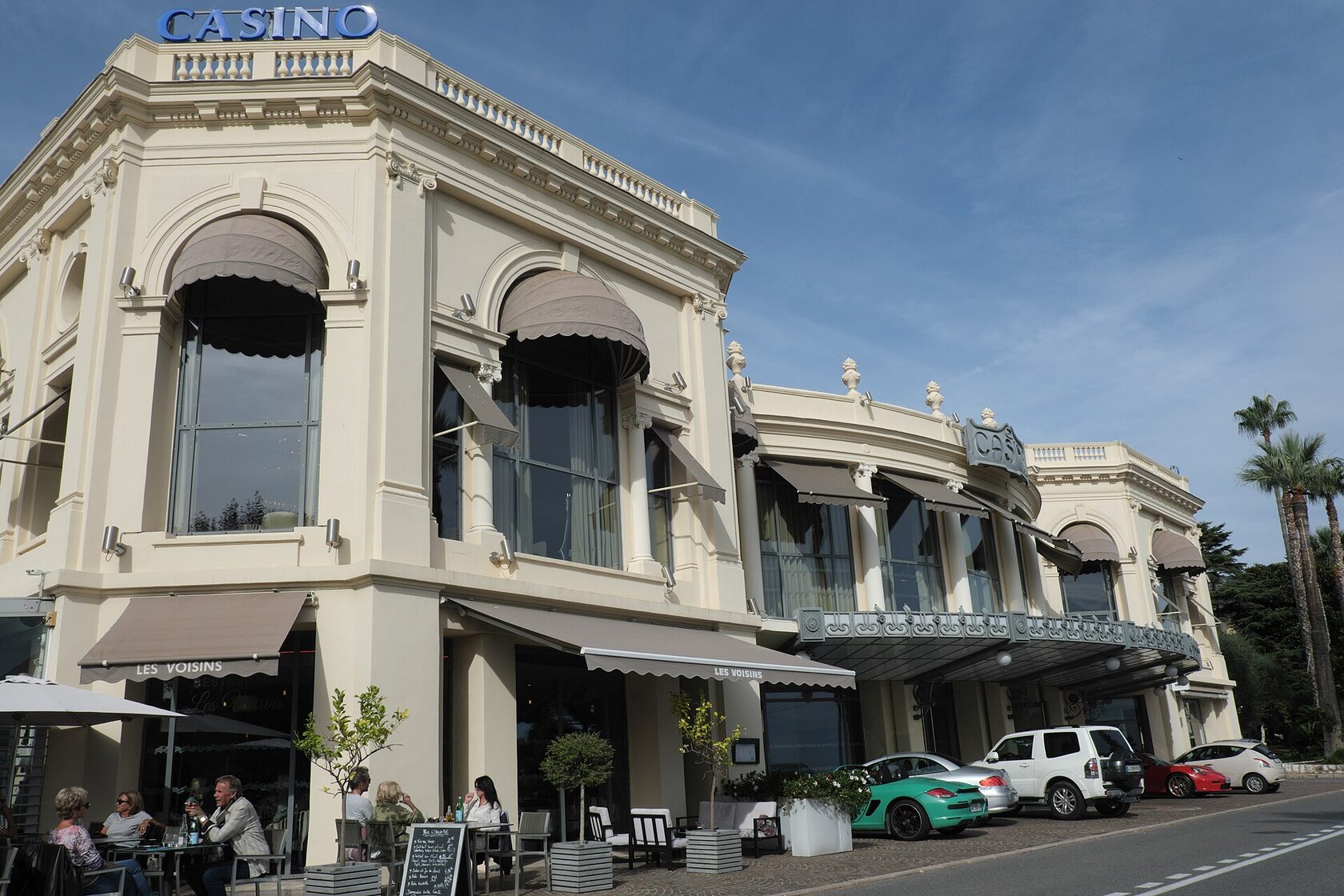
The Casino and gardens in the heart of Beaulieu-sur-Mer
Beaulieu-sur-Mer Casino — photo by GFreihalter, CC BY-SA 4.0 · source

Centre, Marinoni, Général-de-Gaulle and the railway station

The easiest area for enjoying everyday life in Beaulieu. Apartments predominate, with shops, markets, restaurants, school, sports facilities, buses, trains and the sea all accessible on foot.

Place Général-de-Gaulle, Boulevard Marinoni and the Maréchal-Leclerc and Joffre thoroughfares concentrate much of the town’s activity. Many buildings date from the 1950s to the 1970s; a few houses and villas appear in the transition towards Boulevard de Suède and the hills. The station is in the heart of the centre: trains slow on approach, but acoustic comfort still needs to be checked according to distance, floor level, orientation and windows.

DAMA observation. The centre’s true value lies less in a guaranteed sea view than in being able to shop, reach a restaurant, school, sports facilities, the beach or the station without taking the car.

Best suited toA family, professional, retiree or second-home owner seeking an easy year-round lifestyle.

CheckGarage, lift, service charges, condominium works, exposure, actual view and distance from the tracks.
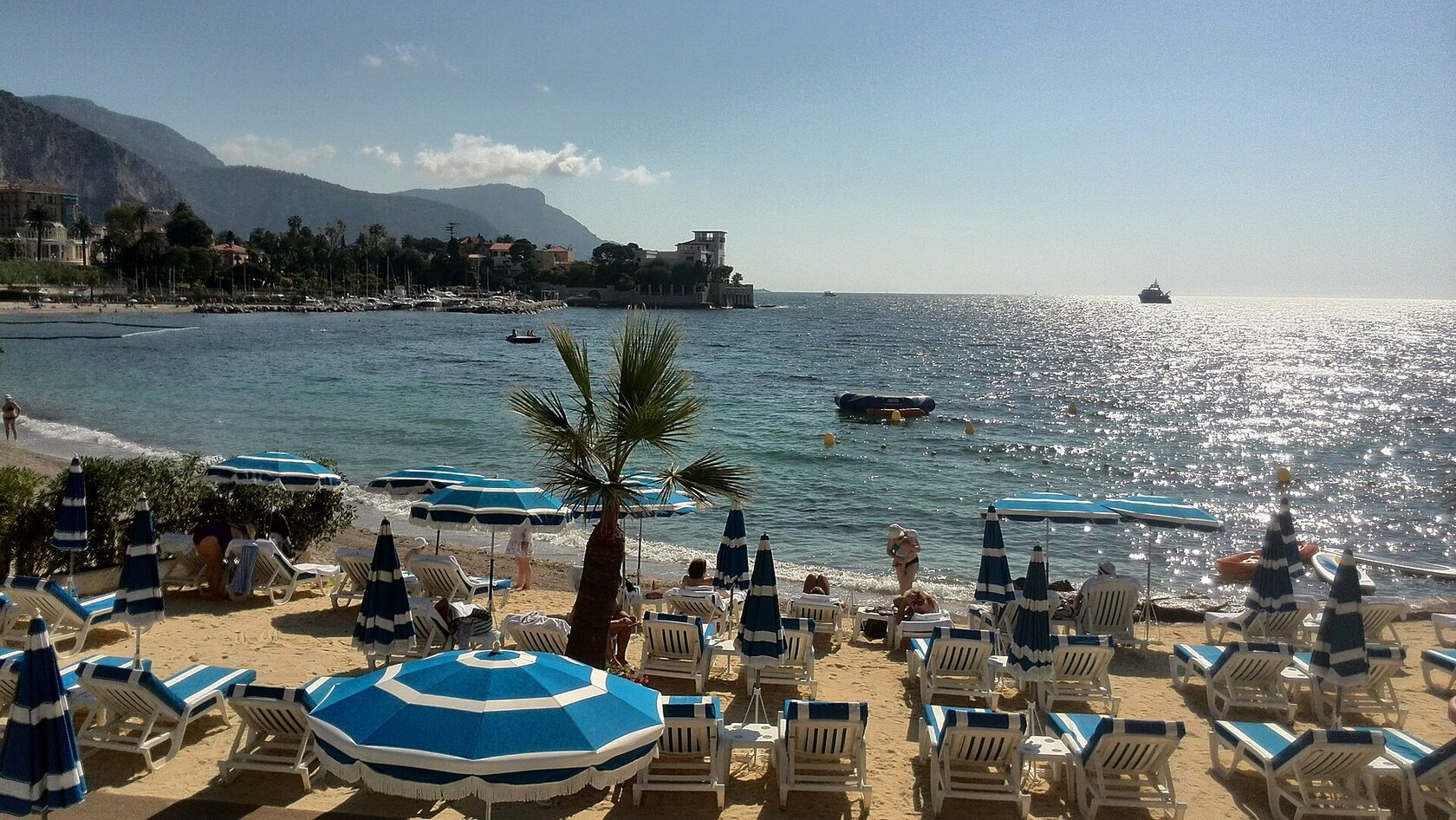
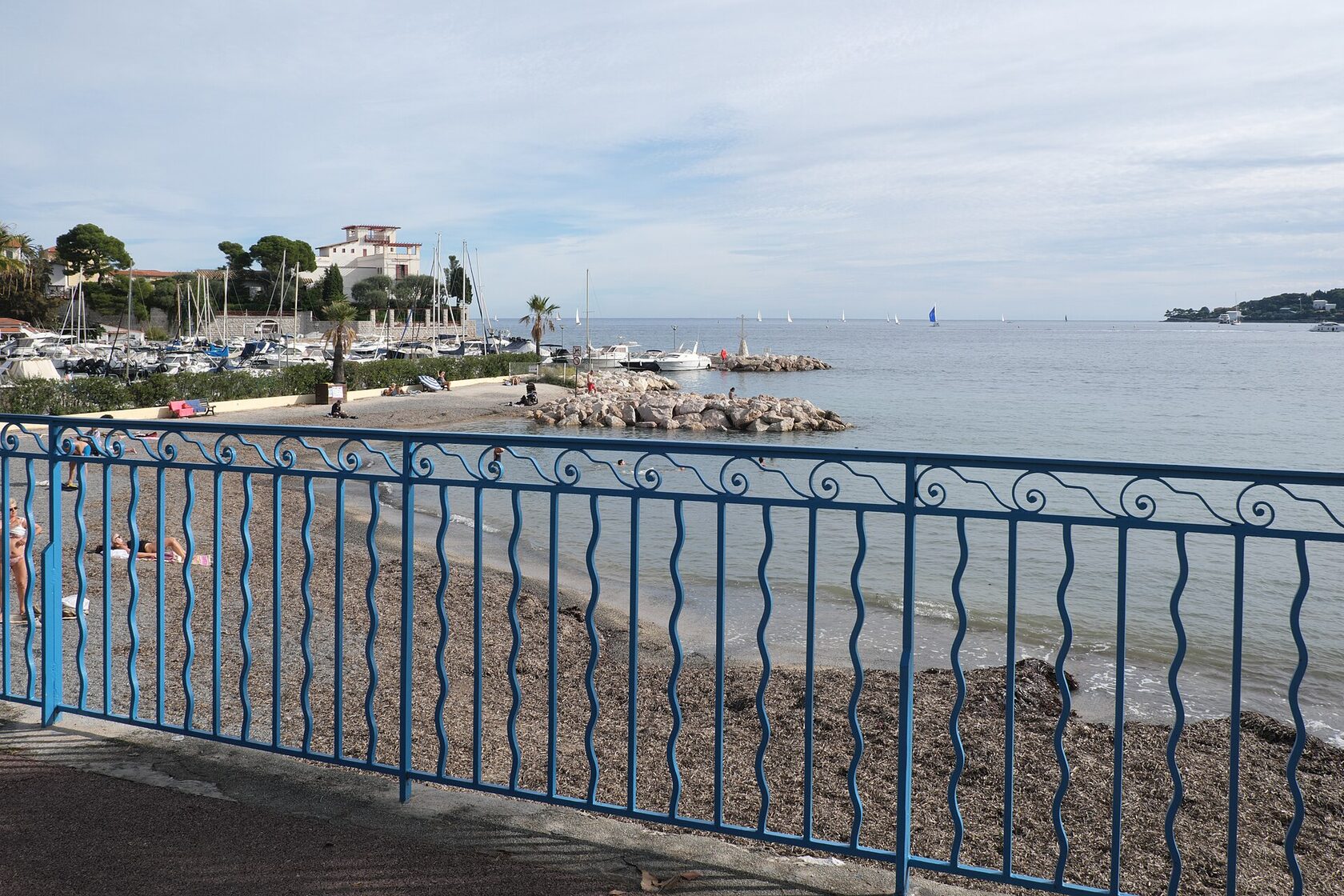
The beach and Baie des Fourmis in Beaulieu-sur-Mer
Baie des Fourmis — photo by Wisi eu, CC0 1.0 · source

Baie des Fourmis and Port des Fourmis

A highly sought-after sub-area of the centre, composed mainly of apartments and a few houses. Depending on the address, crossing the road is all it takes to reach the beach, with very open views across the bay.

Port des Fourmis, below Villa Kérylos, is distinct from Beaulieu Plaisance, the town’s main harbour. Promenade Maurice-Rouvier continues towards Saint-Jean-Cap-Ferrat, while the centre’s shops and services remain close. The railway passes immediately behind the bay: its impact depends greatly on distance, floor level, bedroom orientation, glazing and the position of outdoor spaces.

DAMA observation. Summer activity is part of life by the beach, but does not define the whole year. Outside the season, the area returns to a particularly peaceful atmosphere.

Best suited toA main or second home prioritising the beach, views and everyday life on foot.

CheckExposure to the railway, dual aspect, quality of windows, exact view, garage and summer activity.

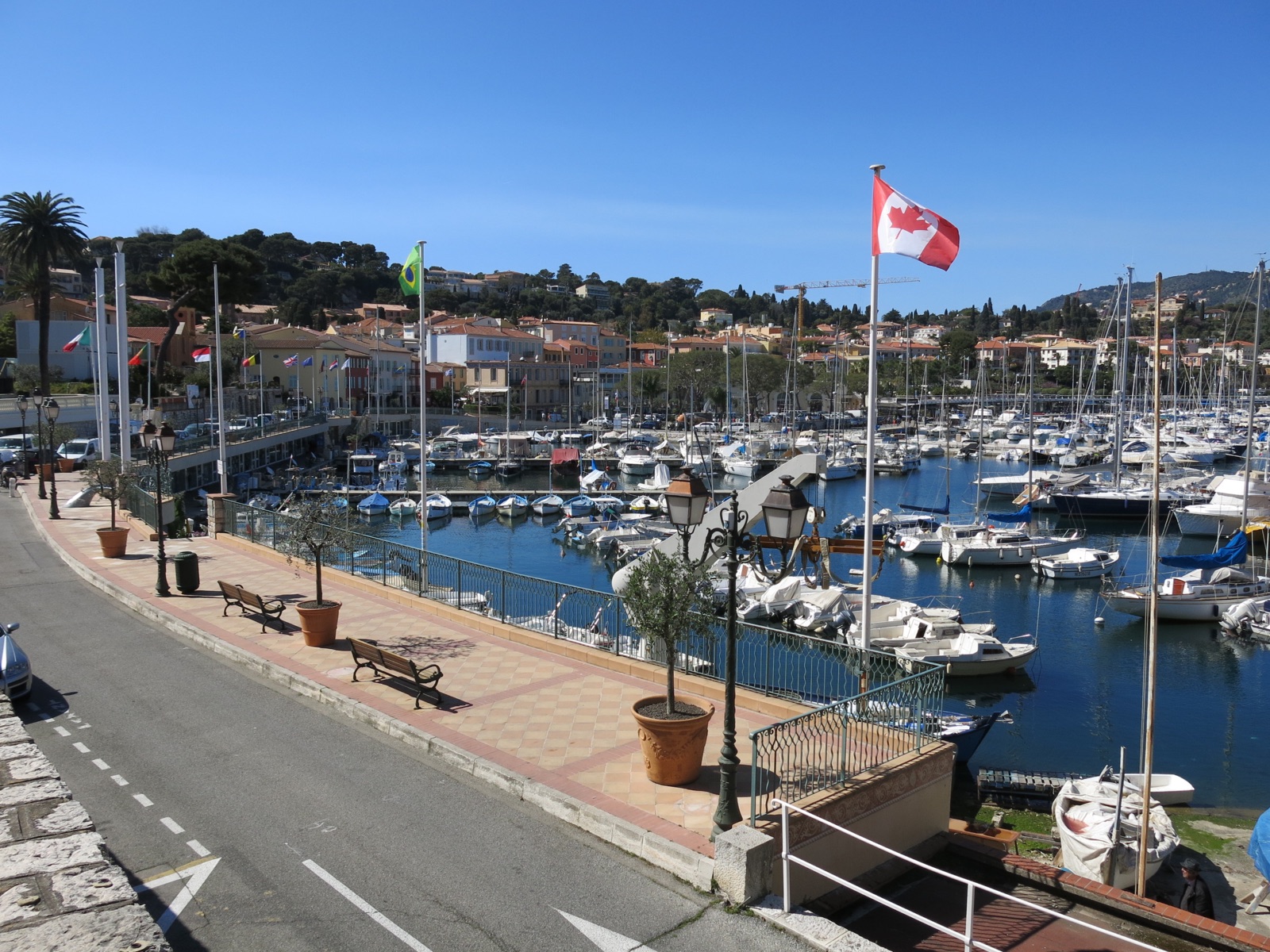
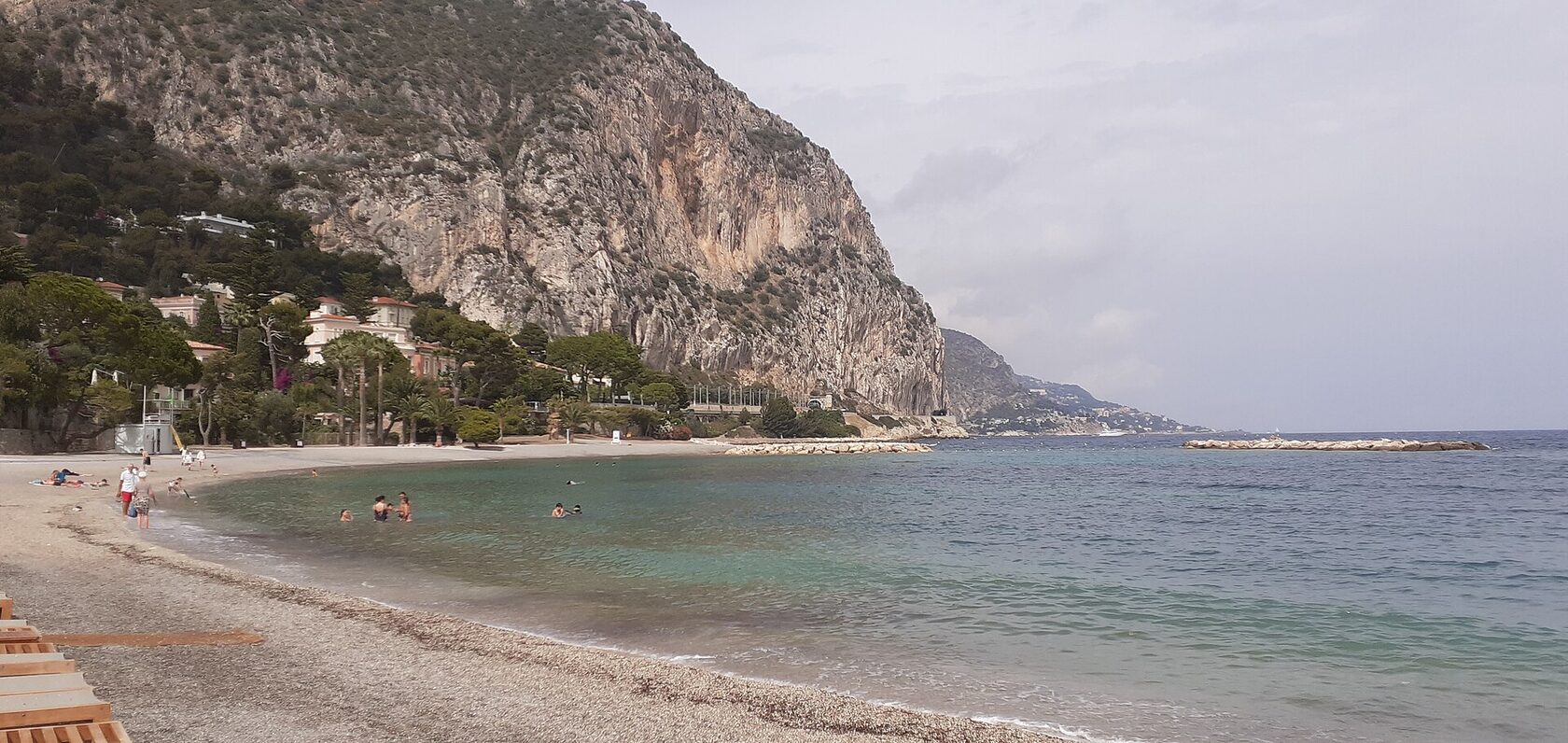
Petite Afrique beach in Beaulieu-sur-Mer Beaulieu Plaisance harbour and its boats
Petite Afrique — photo by Indigo&fushia, CC BY-SA 4.0, source · Port de Beaulieu — photo by GFreihalter, CC BY-SA 4.0, source

Petite Afrique and Port de Beaulieu Plaisance

The large Petite Afrique beach and the main harbour form the town’s seaside and nautical hub. The waterfront is lively in season while remaining close enough to the centre for a genuinely walkable lifestyle.

Petite Afrique brings together the beach, play areas, beach-volleyball courts, beach clubs and seasonal water sports; a large car park is nearby. Around the harbour, shops, bars and restaurants add to the activity. Behind the beach are rare villas directly connected with the shoreline; behind the harbour, the housing stock mixes apartments and villas. Some addresses lie between the sea, the railway and the Basse Corniche, so disturbance must be assessed property by property.

DAMA observation. True waterfront villas are rare. A “front-line” listing guarantees neither direct access nor a private right to the shoreline.

Best suited toA second home, an apartment near the harbour or a high-end villa close to the water.

CheckView, actual access to the sea, road, railway, parking, harbour activity and room orientation.

From Pont Saint-Jean to the hills of Beaulieu-sur-Mer

The slope changes everything.
So does access.

Suffia, Pont Saint-Jean and Chemin des Serres offer three very different ways to live in the transition between the centre, the hillside and Villefranche-sur-Mer. Here, the car, slope, view and exact position of a property matter as much as its address.

Panoramic view over Beaulieu-sur-Mer, the bay and residential hills
Panorama of Beaulieu-sur-Mer — photo by Horizon06, CC BY-SA 4.0 · source

Suffia and the hills

An area composed mainly of houses and villas, quieter than the centre and often open to the sea. The housing stock mixes older houses, renovations and contemporary architecture.

A car becomes necessary for everyday life: walking down to the centre can be pleasant, but the climb back, shopping or journeys with children quickly change the equation. The relief encourages views without guaranteeing them. Private parking and access are common with houses, but road width, gradient, passing space and manoeuvres must be checked on site.

Best suited toA car-owning family, or a main or second home seeking peace, a villa and a view.

CheckSlope, access, garage, retaining walls, orientation, planning rules and whether the view can genuinely be preserved.

Pont Saint-Jean

The lower part of this transition is composed mainly of apartments. It retains Beaulieu’s practical advantages: the centre, Baie des Fourmis, shops and transport can all be reached on foot.

The name comes from the bridge over the railway at the junction towards Saint-Jean-Cap-Ferrat and Villefranche-sur-Mer. The train does not cause uniform disturbance: its impact is most noticeable for homes immediately next to the tracks, depending on floor level, room orientation and glazing.

Best suited to A main or second home in an apartment, with everyday life still largely possible on foot. Check Distance from the tracks, bedroom exposure, windows, parking and the route to the centre.

Chemin des Serres

A historically agricultural hillside, now mainly residential, where villas are gradually taking their place among old plots, terraces and cultivated land.

A car is necessary, even though access is generally straightforward. Depending on the side of the hill and exact position, a property may face east towards Italy or west towards the Bay of Villefranche-sur-Mer and its sunsets. The terrain varies considerably: some plots are relatively level, others distinctly steeper.

Parts of the road follow the boundary between Beaulieu-sur-Mer and Villefranche-sur-Mer. “Chemin des Serres” is used here as a property-market and geographical landmark, not as the name of an administrative district with fixed boundaries.

Best suited to A villa as a main or second home, with a view and private parking. Check Exact municipality, slope, access width, manoeuvring space, parking, orientation, view and planning rules.

The view from the ground

What maps and listings do not show

In Beaulieu-sur-Mer, a central address and a villa only a few minutes higher up do not offer the same daily life. The slope, railway, road, parking and real walking conditions matter as much as the area name.

Which area should you consider for your plans?

These pointers help prepare the search. The right choice remains an address that has been viewed, compared and checked.

Main home

Consider: the town centre and Pont Saint-Jean for everyday independence; Suffia or the hills if a house and garden come first.

Trade-off: balance walkability, view, outdoor space and reliance on a car.

Second home

Consider: the centre and Baie des Fourmis for an easy stay without a car; Petite Afrique and the harbour for a more seaside setting.

Trade-off: check parking, exposure to the railway or road, and maintenance during absences.

Family

Consider: the town centre or Pont Saint-Jean for schools, activities and transport; Suffia if a house matters more than walkability.

Trade-off: test the actual journeys and crossings from the address, not only the distances.

Mainly on foot

Consider: the town centre, Baie des Fourmis and Pont Saint-Jean.

Trade-off: around the harbour, comfort depends on the address; Suffia and Chemin des Serres require a car.

Villa, garden and peace

Consider: Suffia, the hills and Chemin des Serres; behind the harbour and, more rarely, at Petite Afrique.

Trade-off: check slope, access, retaining walls, parking and the journey back from the centre.

Privacy and large plots

Consider: the hills and Chemin des Serres for the most secluded properties.

Compare with: Saint-Jean-Cap-Ferrat when greenery, privacy and plot size become priorities.

Describe my plans to a DAMA expert

Four realities to check at the address

They often make the difference between an attractive listing and a property that is pleasant to live in.

A sea view does not mean being close to the sea

The hills often offer beautiful open views, but the slope may make a car essential. A waterfront address makes promenades easier while sometimes being more exposed to the railway or road.

Compare the panorama, actual access to the shoreline and independence without a car.

The railway is not heard in the same way everywhere

Distance, floor level, orientation, glazing and neighbouring buildings all make a substantial difference to acoustic comfort, even within the same area.

Listen from the bedrooms, living spaces and outdoor areas, first with the windows open and then closed.

“Close to the centre” says nothing about the slope

A short distance on a map can become difficult on the return journey with shopping, a pushchair or in hot weather. The ease of the route must be tested in both directions.

Walk the actual route between the property, shops, station and beach.

Parking changes how a property is used

In the centre, a garage can simplify a daily life that is otherwise largely pedestrian. In the hills, access width, slope and manoeuvring space matter as much as the advertised number of spaces.

Test access with the vehicle you use and measure the space available.

Can you live without a car?

Yes, across much of the lower town.

Centre, Baie des Fourmis and Pont Saint-JeanShops, market, restaurants, schools, station, buses, sports facilities and beaches are all largely accessible on foot.

Petite Afrique and the harbourWalking remains practical depending on the address, but the railway, Basse Corniche or exact distance should be assessed on site.

Suffia, the hills and Chemin des SerresA car becomes necessary for everyday life, despite distances that may look short on a map.

The DAMA selection

Properties for sale
in Beaulieu-sur-Mer

No property for sale in Beaulieu-sur-Mer is currently featured in our public selection. Some searches are nevertheless handled discreetly. Tell us the type of property, area and timeframe you are looking for, and we will let you know whether an opportunity matches your plans.

When a publicly listed property becomes available, it will appear in the selection below.

Explore buying with DAMA  →

Stays and rentals

Properties for rent
in Beaulieu-sur-Mer

Apartments and villas are offered according to the season, length of stay and terms specific to each property. Availability must always be confirmed.

Swipe horizontally to view the next properties →

View all rentals  →

Interested in an address?

Before a viewing, we can help you compare access, everyday walking conditions, the slope, exposure to the railway or road, the view and parking.

Discuss my Beaulieu plans

How should you assess a property in Beaulieu-sur-Mer?

A useful viewing should confirm more than floor area or a view. It should reveal how the property works in everyday life.

  1. 01

    Journeys, slope and parking

    Walk the route to the shops, station or beach in both directions. For a villa, test access and manoeuvres with the vehicle you use.

  2. 02

    Railway and road, with windows open and closed

    Listen from the bedrooms, living spaces and outdoor areas. Distance, floor level, orientation and glazing make a substantial difference to exposure.

  3. 03

    View, orientation and privacy

    Confirm what is genuinely visible from the main rooms, then observe sunlight, vegetation, neighbouring buildings and overlooking.

  4. 04

    Planning, risks and easements

    Review the local plan, risks, easements and scope for works. Distinguish proximity to the sea, a front-line position and true access to the shoreline.

Architecture and living heritage

Three reference points help explain the built environment and development of Beaulieu-sur-Mer.

The centre and post-war apartment buildings

Apartments predominate throughout the centre. Many buildings dating from the 1950s to the 1970s still answer needs sought today: a lift, terrace, parking or more functional layouts, depending on the residence.

Explore the architectural heritage →
Baie des Fourmis and Villa Kérylos

Inspired by ancient Greece, Villa Kérylos is the most recognisable heritage landmark at Baie des Fourmis. It recalls the history of resort living that shaped the Riviera’s coastline and grand residences.

View the town’s presentation →
Suffia, the hills and Chemin des Serres

On the hillside, former agricultural plots have gradually made way for houses and villas. This development explains a fabric that mixes older buildings, renovations and more contemporary architecture, with highly variable access and terrain.

Frequently asked questions

Answers to help focus your search, to be confirmed property by property.

Can you live in Beaulieu-sur-Mer without a car?

Yes, particularly in the centre, around Baie des Fourmis and at Pont Saint-Jean. Shops, the market, restaurants, schools, station, buses, sports facilities and beaches are largely accessible on foot. In the hills, at Suffia and Chemin des Serres, a car becomes necessary.

Where are apartments most common?

In the town centre, around Baie des Fourmis and at Pont Saint-Jean. The centre offers the broadest choice and the easiest everyday life on foot.

Which areas should I consider for a villa?

Suffia, the hills and Chemin des Serres. Houses can also be found behind the harbour and, much more rarely, close to the water at Petite Afrique.

Is the railway noisy everywhere?

No. Exposure varies greatly according to distance, floor level, orientation, glazing and barriers. It must be checked inside the property itself, particularly at Baie des Fourmis, near the harbour and for homes immediately beside the tracks.

What is the difference between Baie des Fourmis and Petite Afrique?

Baie des Fourmis is a sub-area of the centre, composed mainly of apartments and well suited to life on foot. Petite Afrique is a large beach beside Port de Beaulieu Plaisance, with restaurants and a few exceptional properties close to the water.

Is Beaulieu-sur-Mer suitable for families?

Yes. The town is compact and peaceful, with schools, a secondary school, activities, shops and transport. The exact journey from each address and current school information should nevertheless be checked when planning your move.

Beaulieu-sur-Mer or Villefranche-sur-Mer?

Beaulieu offers a flatter, more compact daily life that is generally easier on foot. Villefranche is steeper and, in DAMA’s experience, sea views are more common. It would however be misleading to claim that Villefranche is always less expensive: property type, view, micro-area and timing all alter the comparison.

Beaulieu-sur-Mer or Saint-Jean-Cap-Ferrat?

Beaulieu is better suited to those who want shops, restaurants, transport and the sea within a compact daily setting. Saint-Jean-Cap-Ferrat better answers a search for privacy, nature and large plots. In DAMA’s recent experience, budgets there are generally higher, particularly for villas; this should be checked over the same period and against comparable properties.

The DAMA local perspective

A guide prepared with
Florian Mathé

This reading of Beaulieu-sur-Mer draws on DAMA’s property experience, a dedicated interview on how the micro-areas are lived in, and verification of objective facts against public sources.

Expert interview and editorial validation: October 2026

How to read this guide

Verified fact
Information linked to an identifiable public source.
DAMA observation
Professional analysis drawn from local experience and clearly presented as such.
To check for every property
Information that varies by property, address or plot.

The areas presented reflect a practical property-market reading. They are not official administrative boundaries. Transport, shops, regulations, risks, easements and private rules should all be checked before any decision.

Sources and photography credits

Main sources: Beaulieu-sur-Mer town council, Destination Beaulieu-sur-Mer, INSEE, SNCF TER, the General Inventory of Cultural Heritage, DVF — French public property-transaction data — and Géorisques.

  • Panorama of Beaulieu-sur-Mer: Horizon06, CC BY-SA 4.0, Wikimedia Commons.
  • Baie des Fourmis: Wisi eu, CC0 1.0, Wikimedia Commons.
  • Petite Afrique: Indigo&fushia, CC BY-SA 4.0, Wikimedia Commons.
  • Harbour and centre of Beaulieu-sur-Mer: GFreihalter, CC BY-SA 4.0, Wikimedia Commons.
  • Beaulieu-sur-Mer railway station: Patrick Janicek, CC BY 2.0, Wikimedia Commons.

What are your plans
in Beaulieu-sur-Mer?

Central apartment, easy-to-use second home or villa in the hills: share your priorities so we can focus the search on addresses that fit your everyday life.

Explore nearby towns

Beaulieu-sur-Mer lies between Villefranche-sur-Mer, Saint-Jean-Cap-Ferrat and Èze. Only a few minutes separate these towns, but their terrain, services and relationship with the sea create very different ways of life.

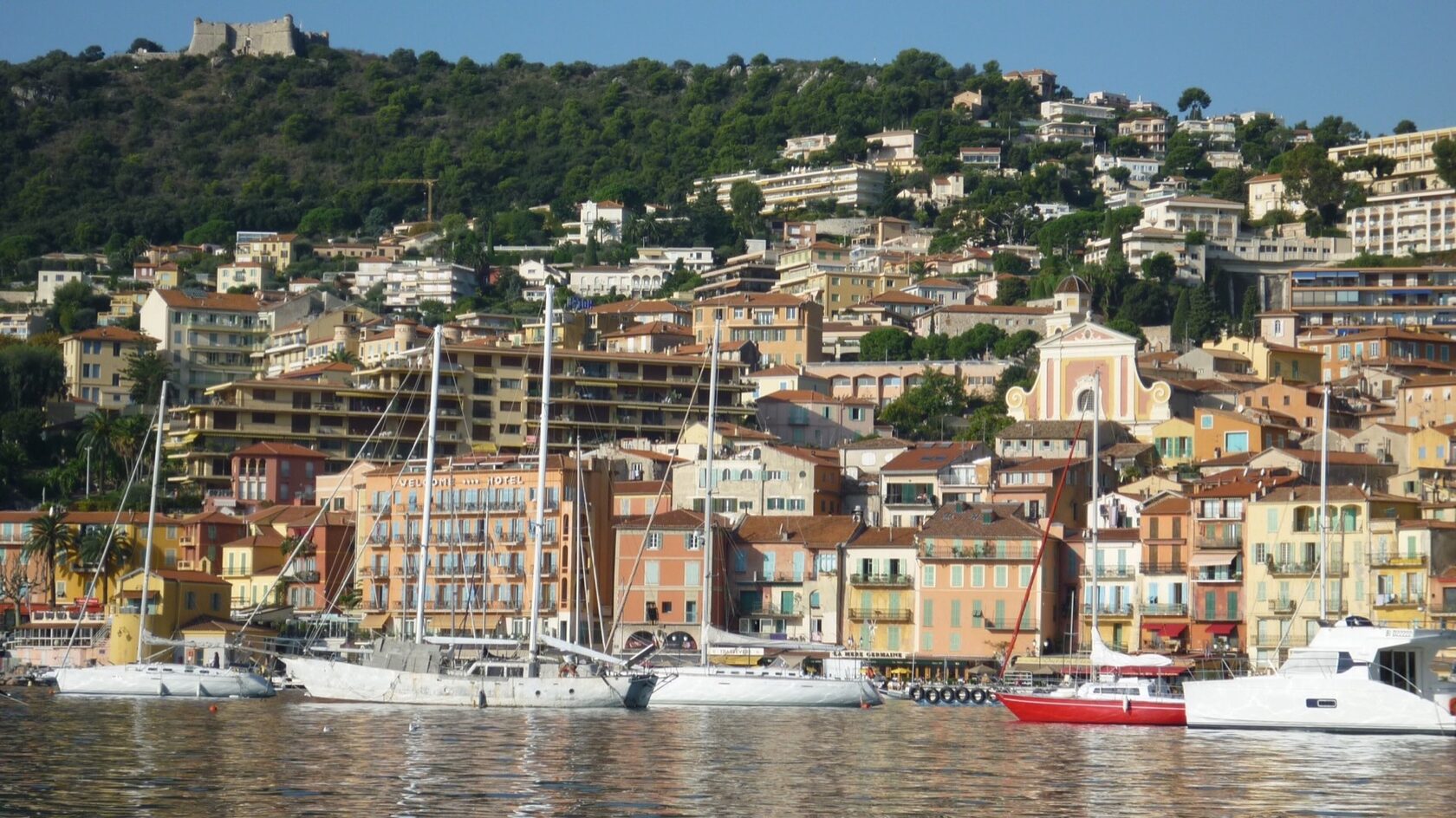
View from the bay towards Villefranche-sur-Mer’s Old Town and hills

West of Beaulieu

Villefranche-sur-Mer

A steeper town facing its bay, with frequent sea views and very different lifestyles between the Old Town, waterfront and hills.

Read the Villefranche-sur-Mer guide →
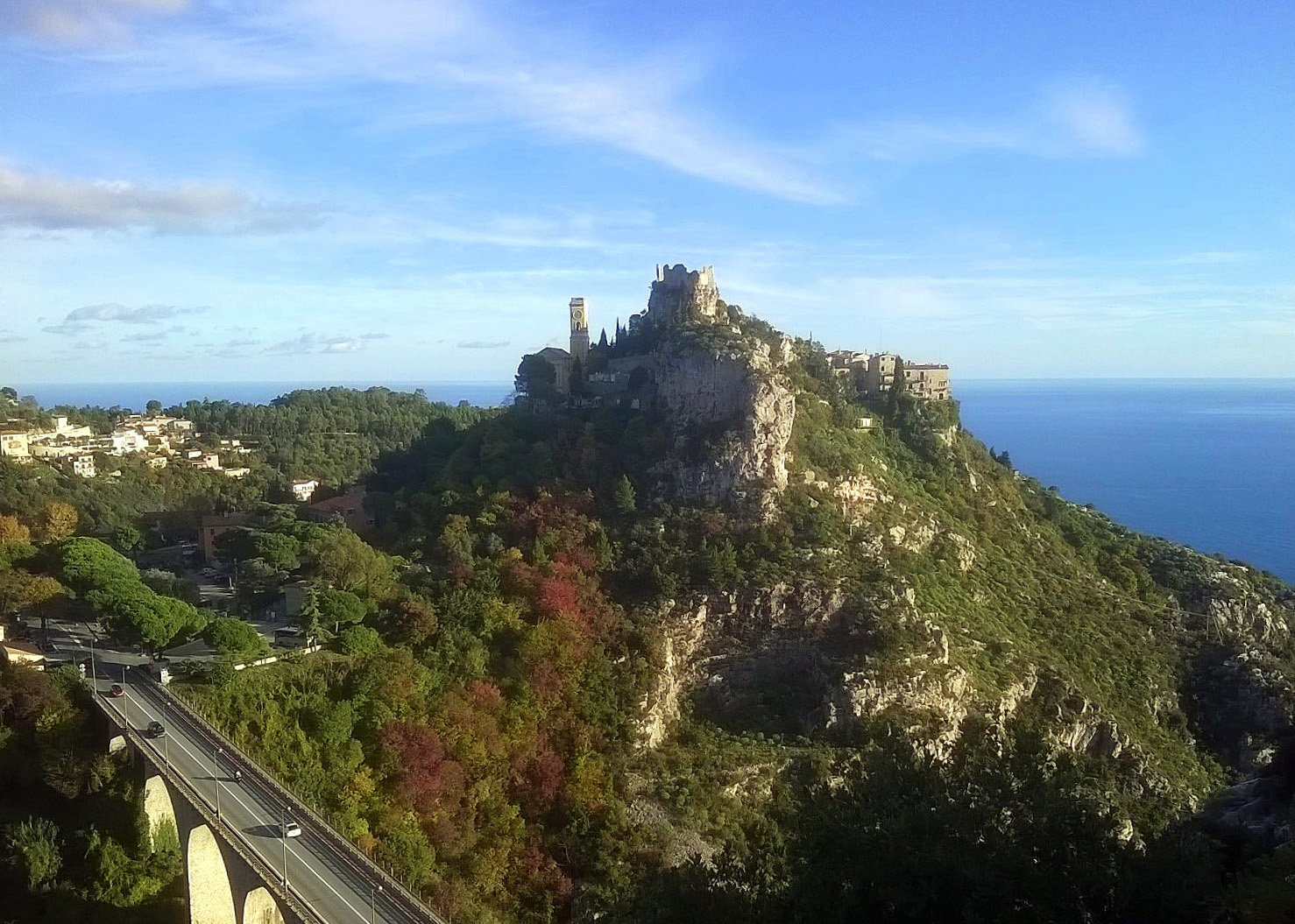
The hilltop village of Èze above the French Riviera

East of Beaulieu

Èze

A territory between the seafront and a hilltop village, where topography and access radically change daily life.

Read the Èze guide →
Photography credits

Villefranche-sur-Mer: Broenberr, CC BY-SA 3.0 · Saint-Jean-Cap-Ferrat: Tangopaso, public domain · Èze: Apollinaire75, CC0 1.0.